

1388xx888xx
1388xx888xx

Ваше местоположение: Главная страница> Информационный центр> Секрет идеального переключения передач на мотоцикле
Время публикации:2025-12-30 12:01:10
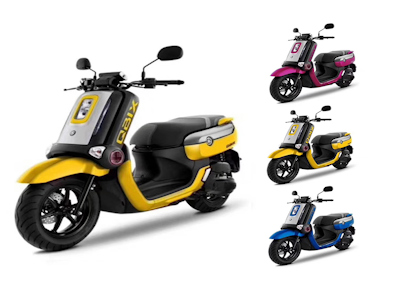
В мире мотоциклетного спорта и повседневной езды переключение передач – это не просто механическое действие, а искусство, которое требует мастерства, понимания техники и постоянной практики. Идеальное переключение передач может значительно улучшить производительность мотоцикла, повысить безопасность вождения и даже продлить срок службы трансмиссии. В этой статье мы подробно рассмотрим секреты этого процесса, начиная с основ и заканчивая продвинутыми техниками, используемыми профессионалами.
Переключение передач на мотоцикле – это фундаментальный навык, который осваивает каждый райдер. В отличие от автомобилей, где переключение часто автоматизировано, мотоциклы требуют ручного управления, что делает процесс более вовлекающим и требующим внимания. Основная цель переключения – поддерживать оптимальные обороты двигателя для максимальной эффективности и мощности. Например, при ускорении необходимо переходить на более высокие передачи, чтобы избежать перегрузки двигателя, а при замедлении – на более низкие для поддержания контроля.
Исторически, системы переключения передач на мотоциклах эволюционировали от простых механизмов до сложных электронных систем. Современные мотоциклы часто оснащены сцеплением и коробкой передач, которые позволяют плавно менять передачи. Однако, даже с технологическими advancements, человеческий фактор остается ключевым. Неправильное переключение может привести к рывкам, потере скорости или даже авариям. Поэтому понимание принципов и отработка навыков необходимы для любого мотоциклиста.
В этой статье мы углубимся в детали: от устройства трансмиссии до практических советов. Мы обсудим, как выбрать правильный момент для переключения, как использовать сцепление и газ, и как избежать common mistakes. Кроме того, мы рассмотрим различия между дорожными и спортивными мотоциклами, а также влияние переключения на безопасность и долговечность мотоцикла.
Чтобы достичь идеального переключения, необходимо понимать базовые принципы работы трансмиссии мотоцикла. Трансмиссия состоит из сцепления, коробки передач и цепи (или карданного вала), которые передают мощность от двигателя к заднему колесу. Сцепление играет crucial role: оно временно разъединяет двигатель и коробку передач, позволяя smoothly change gears.
Первый принцип – синхронизация оборотов двигателя. При переключении передач, особенно при downshifting, важно match the engine speed to the wheel speed to avoid jerks or damage. Это достигается через technique called "rev-matching", где райдер briefly increases throttle before releasing the clutch to synchronize RPMs. Например, при переключении с высшей передачи на низшую, если обороты не синхронизированы, мотоцикк может дернуться или даже заблокировать заднее колесо, что опасно.
Второй принцип – плавность действий. Резкие движения сцеплением или рычагом переключения могут cause wear and tear on components. Идеальное переключение должно быть быстрым, но controlled. Профессионалы рекомендуют practice in a safe environment, such as empty parking lots, to develop muscle memory. Additionally, understanding the power band of your motorcycle – the RPM range where engine produces maximum power – helps in deciding when to shift. For instance, sport bikes often have high-revving engines, so shifting at higher RPMs is optimal for performance.
Третий принцип – адаптация к условиям. Переключение передач должно vary depending on the situation: acceleration, deceleration, cornering, or riding in traffic. Например, при ускорении на прямой дороге, shifting up early can save fuel, while in racing, delaying shifts maximizes speed. Safety is paramount; always ensure you are in the correct gear for the speed and terrain to maintain control.
Существует несколько techniques for shifting gears, each suited to different scenarios. The most common is the clutch-assisted shift, where the rider uses the clutch lever to disengage the transmission before changing gears. This method is standard for most riders and provides smooth transitions. However, advanced techniques like clutchless shifting can be faster but require precision.
Clutchless shifting involves shifting without using the clutch lever, by briefly reducing throttle pressure to unload the transmission. This is often used in racing for quick upshifts, as it saves time. But it can be harsh on the gearbox if not done correctly. To perform a clutchless upshift, the rider should apply gentle pressure to the shift lever while momentarily closing the throttle. The gear change should happen smoothly if the RPMs are appropriate.
Another technique is downshifting with rev-matching, as mentioned earlier. This is essential for smooth deceleration and entering corners. The rider blips the throttle to raise engine RPM before releasing the clutch, ensuring a seamless transition. This not only improves ride quality but also reduces wear on the clutch and transmission.
Practice is key to mastering these techniques. Start with basic clutch-assisted shifts and gradually progress to more advanced methods. Use simulation or real-world riding to build confidence. Remember, every motorcycle is different, so familiarize yourself with your bike's specific characteristics, such as gear ratios and clutch engagement point.
Many riders make common mistakes when shifting gears, which can lead to poor performance or accidents. One frequent error is shifting at the wrong RPM. Shifting too early can lug the engine, causing strain, while shifting too late can lead to over-revving and potential damage. To avoid this, learn your motorcycle's power band and use the tachometer as a guide if available.
Another mistake is improper clutch usage. Riding with the clutch partially engaged (slipping the clutch) can cause overheating and premature wear. Always fully engage or disengage the clutch during shifts. Additionally, avoid resting your foot on the shift lever, as this can accidentally change gears.
Poor rev-matching is a common issue in downshifting, resulting in jerky movements. Practice blipping the throttle to get the timing right. Also, be mindful of the sequence: clutch in, shift, blip throttle, clutch out smoothly.
To prevent these errors, take a motorcycle safety course or seek advice from experienced riders. Regular maintenance of the clutch and transmission is also crucial; worn components can exacerbate shifting problems.
Professional riders and mechanics share valuable insights for perfect gear shifting. First, always keep your motorcycle well-maintained. Check clutch cable tension, oil levels, and gearbox condition regularly. A poorly maintained bike will never shift ideally.
Second, develop a feel for the motorcycle. Instead of relying solely on instruments, listen to the engine sound and feel the vibrations. This intuitive approach can make shifts more natural and timely.
Third, practice in various conditions: hills, curves, and traffic. This builds adaptability. For example, when climbing a hill, downshift early to maintain power; when descending, use engine braking by downshifting appropriately.
Finally, stay calm and focused. Panic shifting can lead to mistakes. In emergency situations, prioritize safety over smooth shifts – for instance, if you need to brake suddenly, downshift quickly but controlledly to aid braking.
Ideal gear shifting directly impacts safety and performance. Smooth shifts reduce the risk of loss of control, especially in corners where abrupt changes can cause skids. Proper gear selection ensures the motorcycle responds predictably to throttle inputs.
Performance-wise, efficient shifting maximizes acceleration and fuel economy. In racing, milliseconds saved per shift can determine victory. For everyday riding, it enhances the riding experience, making it more enjoyable and less stressful.
Moreover, good shifting habits prolong the life of the transmission and clutch, saving money on repairs. It also reduces fatigue for the rider, as smooth operation requires less physical effort.
В заключение, секрет идеального переключения передач на мотоцикле заключается в понимании принципов, отработке techniques и адаптации к ситуациям. Это навык, который совершенствуется с practice и attention to detail. Whether you're a novice or an experienced rider, focusing on smooth, synchronized shifts will improve your safety, performance, and overall enjoyment of motorcycling. Remember, the journey to mastery is ongoing – keep learning and riding safely.
Надеемся, эта статья provided valuable insights. For more tips, consider joining riding communities or consulting professional resources. Ride safe and enjoy the thrill of the perfect shift!
Предыдущая статья: Удивительная Мощность Тормозных Суппортов Для Вашего Мотоцикла
Следующий пост: Как выбрать цепную звездочку для мотоцикла чтобы она прослужила долго
 1388xx888xx