

1388xx888xx
1388xx888xx

Ваше местоположение: Главная страница> Информационный центр> Мотоциклетные выхлопные трубы повышают производительность двигателя
Время публикации:2026-01-05 12:01:10
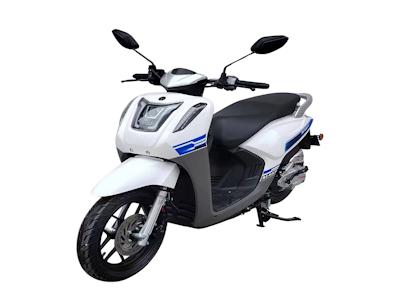
В мире мотоциклов производительность двигателя является ключевым фактором, определяющим скорость, ускорение и общее удовольствие от езды. Одним из наиболее эффективных способов повысить эту производительность является установка специализированных выхлопных труб. В этой статье мы подробно рассмотрим, как мотоциклетные выхлопные трубы могут кардинально улучшить работу двигателя, основываясь на научных принципах, реальных примерах и практических советах. Мы обсудим механизмы работы выхлопных систем, их влияние на мощность, топливную эффективность, звук и даже экологические аспекты. Если вы мотоциклист, стремящийся к максимальной отдаче от своего байка, эта информация будет для вас незаменимой.
Выхлопная система мотоцикла – это не просто труба для отвода выхлопных газов; это сложный компонент, который играет crucial роль в оптимизации работы двигателя. Основная функция выхлопной системы – удалять отработавшие газы из цилиндров двигателя, но современные системы делают гораздо больше. Они помогают регулировать обратное давление, улучшать scavenging (очистку цилиндров), и даже влиять на звук и внешний вид мотоцикла. Исторически, выхлопные системы были простыми и функциональными, но с развитием технологий они превратились в высокотехнологичные узлы, способные повысить производительность на 10-20% и более.
Производительность двигателя измеряется в терминах мощности (лошадиные силы или киловатты), крутящего момента и эффективности. Выхлопные трубы влияют на все эти параметры через улучшение потока выхлопных газов. Когда двигатель работает, он производит power strokes, в ходе которых топливо сгорает и создает энергию. Однако, если выхлопные газы не удаляются эффективно, они могут создать обратное давление, которое мешает новому заряду топливовоздушной смеси entrar в цилиндры. Это снижает общую эффективность и мощность.
Современные мотоциклетные выхлопные трубы designed to minimize this back pressure and enhance the flow. Они используют материалы like stainless steel or titanium for durability and weight reduction, and incorporate technologies such as resonators and catalytic converters for performance and emissions control. В спортивных мотоциклах, выхлопные системы often are tuned for specific RPM ranges to maximize power output. Например, системы с настроенным length and diameter can create resonance effects that improve scavenging at high RPMs, leading to significant horsepower gains.
Кроме того, выхлопные трубы can affect the sound of the motorcycle. A well-designed system can produce a deep, aggressive roar that many riders find appealing, while also meeting noise regulations. This aesthetic and auditory aspect is part of the overall riding experience and can influence perceived performance. Однако, the primary focus remains on mechanical improvements.
In this article, we will dive deep into how exhaust pipes work, the science behind their performance benefits, and practical tips for choosing and installing the right system for your bike. We'll cover topics such as the role of back pressure, the importance of scavenging, materials used in construction, and how to tune an exhaust for optimal results. Whether you're a casual rider or a hardcore enthusiast, understanding this can help you get the most out of your motorcycle.
Чтобы понять, как выхлопные трубы повышают производительность, необходимо немного углубиться в физику двигателей внутреннего сгорания. Двигатель работает в цикле, состоящем из intake, compression, power, и exhaust strokes. During the exhaust stroke, piston выталкивает отработавшие газы out through the exhaust valve and into the exhaust system. If this process is inefficient, it can lead to residual gases remaining in the cylinder, which dilute the fresh air-fuel mixture and reduce combustion efficiency.
Key to performance is the concept of scavenging. Scavenging refers to the process of removing exhaust gases from the cylinder and drawing in fresh mixture. A well-designed exhaust system uses pressure waves to aid this process. When the exhaust valve opens, a high-pressure wave travels down the exhaust pipe. If the pipe is tuned correctly, this wave can create a low-pressure area near the valve at the right moment, helping to pull out more exhaust gases and even suck in fresh mixture from the intake side. This is known as exhaust tuning or pulse tuning.
The length and diameter of the exhaust pipe are critical for tuning. Longer pipes generally favor low-RPM torque, while shorter pipes can enhance high-RPM power. This is because the speed of sound in exhaust gases determines the timing of pressure waves. By calculating the optimal length based on engine speed, manufacturers can design exhausts that maximize performance across the RPM range. For instance, a pipe tuned for 8000 RPM might be shorter than one tuned for 5000 RPM.
Another factor is back pressure. While some back pressure is necessary for low-RPM torque and emissions control (it helps maintain exhaust velocity and prevent reversion), too much back pressure restricts flow and reduces power. Performance exhaust systems aim to reduce unnecessary back pressure by using larger diameters, smooth bends, and free-flowing mufflers. However, it's a balance – eliminating all back pressure can hurt low-end performance, so systems are often compromise for a broad power band.
Materials also play a role. Lighter materials like titanium reduce overall weight, which improves acceleration and handling. Stainless steel offers durability and corrosion resistance. Additionally, thermal properties can affect performance; for example, ceramic coatings can keep exhaust gases hotter, maintaining velocity and improving scavenging.
In summary, the science behind exhaust systems involves fluid dynamics, acoustics, and thermodynamics. By optimizing these elements, aftermarket exhausts can significantly boost engine output. Studies have shown that a properly tuned exhaust can increase horsepower by up to 15% and torque by 10%, depending on the engine and other modifications.
Установка performance выхлопных труб offers numerous benefits beyond raw power increases. Let's explore some of the key advantages.
First and foremost is increased horsepower and torque. As discussed, by improving flow and scavenging, a better exhaust allows the engine to breathe more efficiently. This means more complete combustion, resulting in higher power output. Riders often report noticeable gains in acceleration and top speed after installing an aftermarket system. For example, on a sport bike, a full exhaust system might add 5-10 horsepower, which is significant for racing or spirited riding.
Second, improved fuel efficiency can occur. Although it's not always guaranteed, a more efficient engine may use less fuel to produce the same power. This is because reduced back pressure means the engine doesn't have to work as hard to expel exhaust gases. However, if riders tend to push the bike harder after upgrades, fuel consumption might increase due to higher speeds and acceleration.
Third, weight reduction is a major benefit. Stock exhaust systems are often heavy due to cost-cutting and emissions equipment. Aftermarket options, especially those made from titanium or carbon fiber, can shed several kilograms. This not only improves performance but also enhances handling and agility. For instance, losing 5 kg from the exhaust can make a bike feel lighter and more responsive in corners.
Fourth, sound enhancement is a popular reason for upgrades. A deep, throaty exhaust note can make riding more exhilarating. Many performance systems are designed to amplify the engine's sound without being overly loud or illegal. This auditory feedback can also help riders gauge engine RPM and performance intuitively.
Fifth, aesthetic improvements are common. Aftermarket exhausts often have sleek designs, polished finishes, or custom colors that enhance the bike's appearance. This can increase resale value and personal satisfaction.
Lastly, there are potential durability gains. High-quality aftermarket exhausts are built to last, with better materials and construction than stock parts. They may resist rust and damage better, especially in harsh conditions.
Overall, the benefits make exhaust upgrades a worthwhile investment for many riders. However, it's important to choose a system that matches your riding style and bike's characteristics.
Selecting the right exhaust system for your motorcycle requires consideration of several factors. Here's a guide to help you make an informed decision.
Start by determining your goals. Are you looking for maximum power, better sound, weight savings, or a combination? This will influence the type of system you choose. Full systems replace the entire exhaust from the engine to the tip, offering the greatest performance gains but at a higher cost. Slip-on systems only replace the muffler, providing sound and minor performance improvements at a lower price.
Next, consider your bike's engine and usage. Different engines respond differently to exhaust modifications. For example, a high-revving sport bike might benefit from a system tuned for top-end power, while a cruiser might need one that enhances low-end torque. Also, think about how you ride – if you do a lot of city commuting, a system with good low-RPM performance might be preferable.
Materials matter. Stainless steel is durable and affordable, titanium is light and high-performance but expensive, and carbon fiber offers a unique look and light weight. Choose based on your budget and priorities.
Check for compatibility and legal issues. Ensure the exhaust is designed for your specific motorcycle model and year. Additionally, be aware of local noise and emissions regulations. Some aftermarket systems may not be street-legal in all areas, so research beforehand to avoid fines or issues.
Read reviews and seek professional advice. Other riders' experiences can provide valuable insights. Consult with mechanics or tuners who specialize in your bike type. They can recommend brands and setups that work well.
Finally, consider installation and tuning. Some systems require professional installation and engine tuning (e.g., ECU remapping) to achieve optimal performance. Factor this into your budget and planning.
By taking these steps, you can select an exhaust system that enhances your motorcycle's performance and suits your needs.
Installing an aftermarket exhaust system can be a rewarding project, but it requires care and attention to detail. Here's a general overview of the process.
First, gather the necessary tools. You'll typically need wrenches, sockets, screwdrivers, and possibly a torque wrench. Always refer to the manufacturer's instructions for specific requirements.
Begin by safely elevating the motorcycle and ensuring it's cool. Remove the old exhaust system by loosening clamps, bolts, and brackets. This might involve detaching the exhaust from the engine headers and the rear mounts. Be cautious not to damage other components.
Install the new system step by step. Start with the headers, ensuring they are properly aligned and sealed with new gaskets to prevent leaks. Then attach the mid-pipes and mufflers, tightening all connections to the specified torque settings. Improper torque can lead to leaks or damage.
After installation, check for leaks by starting the engine and listening for hissing sounds. You can also use soapy water on connections to visualizar bubbles indicating leaks.
Tuning is often necessary. Modern motorcycles have electronic control units (ECUs) that manage fuel injection and ignition timing. Changing the exhaust can alter air flow, potentially leaning out the fuel mixture and causing poor performance or engine damage. Therefore, it's recommended to remap the ECU or use a fuel management device to adjust parameters. This ensures optimal air-fuel ratio and performance.
Test ride the bike cautiously after installation. Pay attention to any unusual noises, performance issues, or warning lights. If everything seems fine, enjoy the improved ride!
For those less mechanically inclined, professional installation is advisable. It ensures safety and maximizes the benefits of the upgrade.
To illustrate the impact of exhaust upgrades, let's look at some real-world examples and dyno tests.
Case Study 1: A Yamaha YZF-R6 sport bike. Stock, it produces around 110 horsepower. After installing a full Akrapović exhaust system and ECU tune, dyno tests showed an increase to 120 horsepower – a gain of about 9%. Torque also improved across the RPM range, making the bike more responsive.
Case Study 2: A Harley-Davidson Street Bob cruiser. The stock exhaust was restrictive for sound and emissions. With a Vance & Hines slip-on, riders reported better sound and a slight increase in low-end torque, though horsepower gains were minimal. This highlights how different bikes benefit differently.
Case Study 3: A Ducati Panigale V4. This high-performance bike already has a good exhaust, but aftermarket systems like Termignoni can push power from 210 to over 220 horsepower, with weight savings of 3 kg. On track, this translates to faster lap times.
Dyno tests consistently show that well-designed exhausts can improve power by 5-15%, depending on the engine. However, results vary based on other factors like air intake and tuning. It's best to view exhaust upgrades as part of a comprehensive performance package.
These examples demonstrate that whether for racing or leisure, exhaust modifications can deliver tangible benefits.
While performance is key, it's important to consider environmental and legal implications of exhaust upgrades.
Emissions: Stock exhaust systems include catalytic converters that reduce harmful emissions like CO, NOx, and hydrocarbons. Aftermarket systems may remove or bypass these, increasing pollution. If environmental concerns are important, look for systems that are EPA-compliant or include high-flow cats. Some regions have strict emissions laws, so check local regulations.
Noise: Loud exhausts can be a nuisance and may violate noise ordinances. Many areas have decibel limits for motorcycles. Choose a system that meets legal standards to avoid fines. Responsible riding includes being mindful of community noise levels.
Warranty: Modifying the exhaust might void the manufacturer's warranty. If your bike is under warranty, consider the potential costs before upgrading.
By being informed and choosing responsibly, you can enjoy performance gains without negative impacts.
В заключение, мотоциклетные выхлопные трубы являются мощным инструментом для повышения производительности двигателя. Through improved flow, reduced weight, and better scavenging, they can unlock additional horsepower, torque, and efficiency. Whether you're a casual rider or a track enthusiast, investing in a quality exhaust system can transform your riding experience.
Remember to choose based on your needs, install properly, and consider legal and environmental factors. With the right setup, your motorcycle will not only perform better but also sound and look fantastic. Ride safe and enjoy the boost!
This article has covered the science, benefits, selection, installation, and real-world examples of exhaust upgrades. We hope it empowers you to make informed decisions and get the most out of your bike. If you have questions, consult with experts or join online forums for community support. Happy riding!
Предыдущая статья: Самые мощные аккумуляторы для мотоциклов на рынке
Следующий пост: ТОП10 МОТОЦИКЛЕТНЫХ ВЫПРЯМИТЕЛЕЙ РЕВОЛЮЦИЯ В ЭЛЕКТРОСИСТЕМАХ
 1388xx888xx